Avoiding Regret in Relationships with Self-Reflection

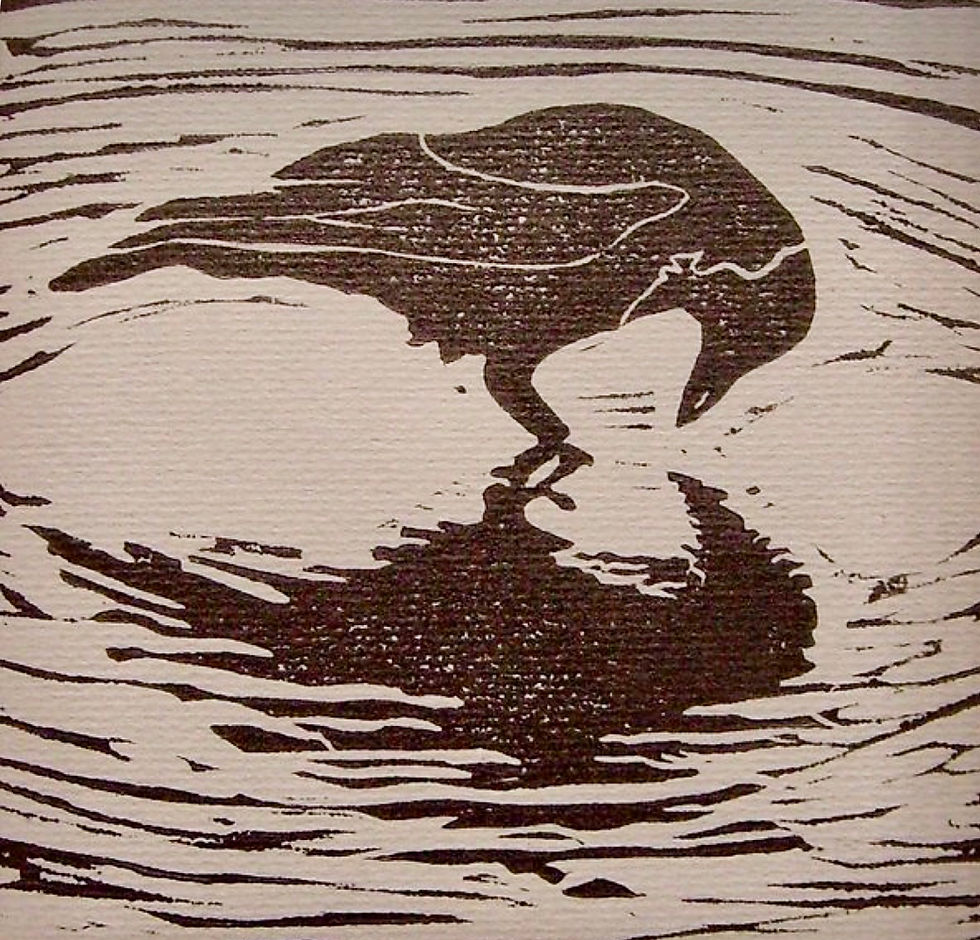
“Even if everyone else is not doing good, I alone will. Even if everyone else is doing wrong, I alone will not.” – Master Chin Kung, Heart of a Buddha
Sometimes when people around you are acting in a way that tempts you to reduce your own behavior to their level, it’s hard to hold on to what you know to be the right thing. Then it becomes a tit-for-tat exchange of cruelty and reactionary behavior. One person will hurt the other, and instead of inquiring about why they did this or trying to understand the context of the behavior, retaliation ensues. This post examines how to avoid such regrets by using self-reflection.
When you’re hurt, you want to strike back.
In couples, this can be retaliatory affairs or insults. In families, it can be transgenerational physical or emotional abuse. In communities, it can result in gang violence or political maneuvering that hurts both parties ultimately. Internationally, it can lead to war and corruption. In all these instances, the knee-jerk desire that comes from the limbic system is to get revenge. How dare they hurt you! How dare they render you powerless? The temptation is very strong and it takes a lot of work and discipline to train your brain to pause, reflect, and consider your options rationally.
Think of a time you’ve been hurt by another person, or even by a group of people. What were your choices then? Do you feel like you did the right thing in that moment for all considered? Did you protect yourself adequately? Sometimes you do need to take action, act firm, and stand strong to protect yourself or someone you love. However, sometimes what seems like protection actually begets more violence or pain. It can be very confusing in the moment to distinguish between the two.
Another thing to consider is whether, upon reflection later, you will still think that was the best choice for you. You regret having acted this way, and the repercussions it caused. I know in my life, I’ve spoken in anger more than a few times and regretted it later. It can damage relationships or even end them, and you can’t unsay what has been said. The tide of pain and suffering is very hard to turn on your own. Even if you know the right thing to do in the moment you’ve hurt someone or been hurt, you might feel too prideful to back down.
The prefrontal cortex helps us use self-reflection to avoid regrets.
We are all doing our best, with whatever development we currently have. But that doesn’t mean that we need to stay frozen in our quest for better behavior and relationships. You can still train yourself to use your self-awareness – body, mind, and spirit – to do better. A major player in that development is your prefrontal cortex. That part of your brain can act as brakes when the steam engine of your emotions want to run amok. For more information about how it works, click here.
You need to learn to find your center. The center is the place where you observe what is happening within and outside of yourself. From your center, you’re better able to detach from emotions and observe your thoughts, body sensations, and emotions. This makes it more likely that you can use reason. Things may distract you momentarily, but you can stay calm and consider all the things you need to do in this situation.
Possible road blocks to using self-reflection

Thus, you can avoid unnecessary conflict and use your words to diffuse potential harm. Not everyone has a healthy prefrontal cortex or the training and discipline to develop this skill set. However, if you have it, you might as well use it.
Some disorders, like Bipolar Disorder, Attention Deficit Hyperactivity Disorder (ADHD), or people with frontal brain injuries, need extra help with this. They may act or speak impulsively and have a hard time finding their center. Nonetheless, this capacity for self-reflection and internal awareness can be developed.
What helps you avoid regrets with self-reflection?
Meditation, executive coaching functioning, and other formal techniques help develop your pre-frontal cortex. Psychotherapy helps too, just by pausing to think of what you feel when something happens. Once you learn to pause, reflect, and consider your options, you won’t be swayed by what other people are doing.
You will know how to protect yourself from being hurt, but you’ll find a skillful way that doesn’t throw mud at the offender. You will hesitate before harming the other person, not because of anyone’s value or level of deserving, but because you don’t want to be that person… you know, the hothead who always argues and says nasty things?
That path leads to loneliness, heartache, and alienation from other human beings. Is that the life you want for yourself? I don’t want that for me or for my clients. I want you to enjoy your relationships with the people in your life, whether they be friends, lovers, coworkers, or family members. If you want help improving your relationship through self-reflection with couples counseling, please give me a call or click the button below.


